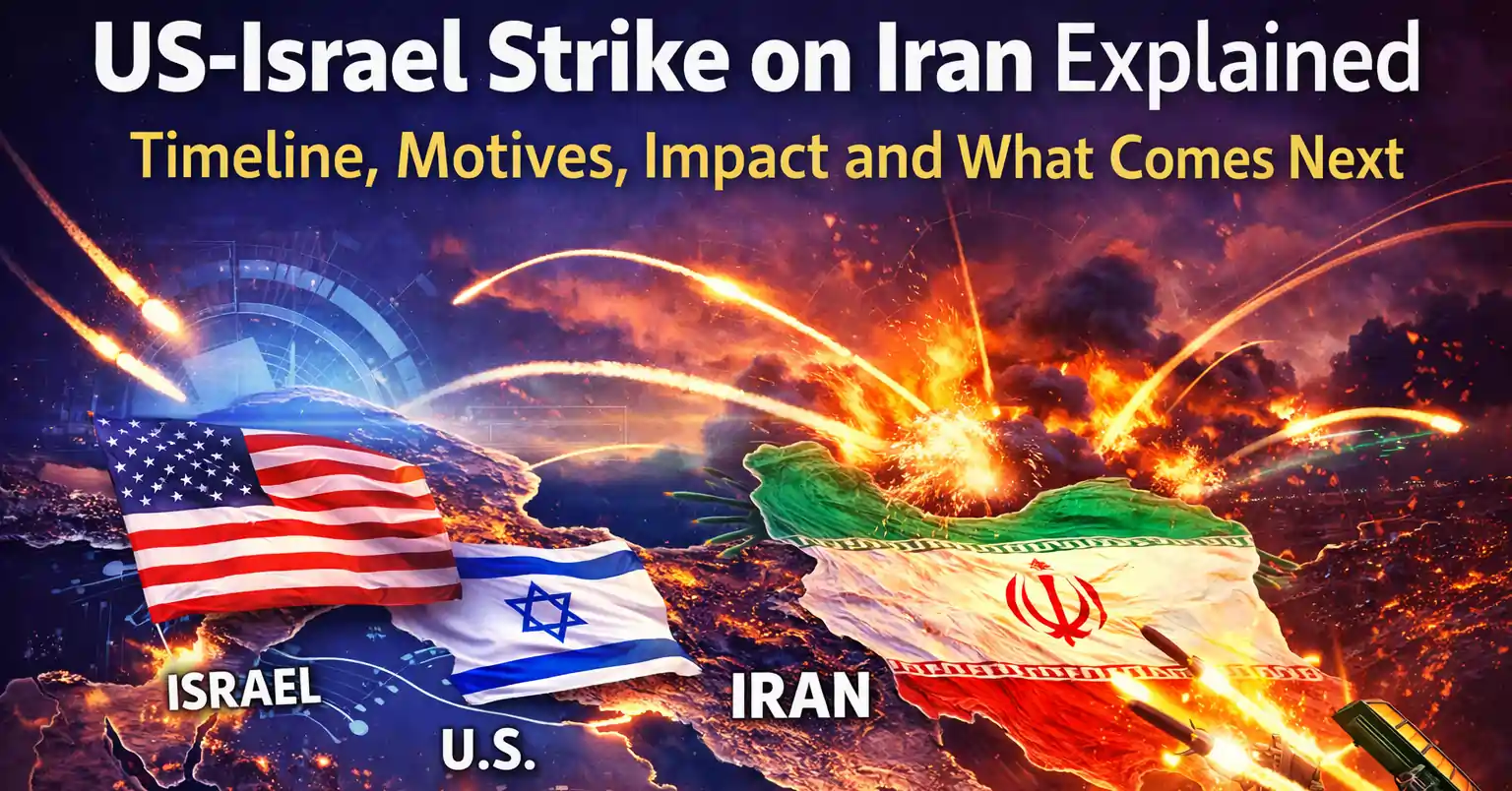
The latest escalation between United States, Israel, and Iran has pushed the Middle East into a period of heightened uncertainty. Coordinated military actions and rising retaliation rhetoric have triggered global concern about regional stability, energy markets, and geopolitical alliances.
US Israel strike on Iran has become one of the most significant geopolitical developments of 2026, triggering global concern over regional stability, energy markets, and the risk of a broader conflict. The coordinated military action involving United States and Israel targeting sites in Iran marks a major escalation in long-standing tensions across the Middle East.
This article explains the full timeline, the strategic motives behind the operation, and what could happen next as the region braces for possible retaliation.
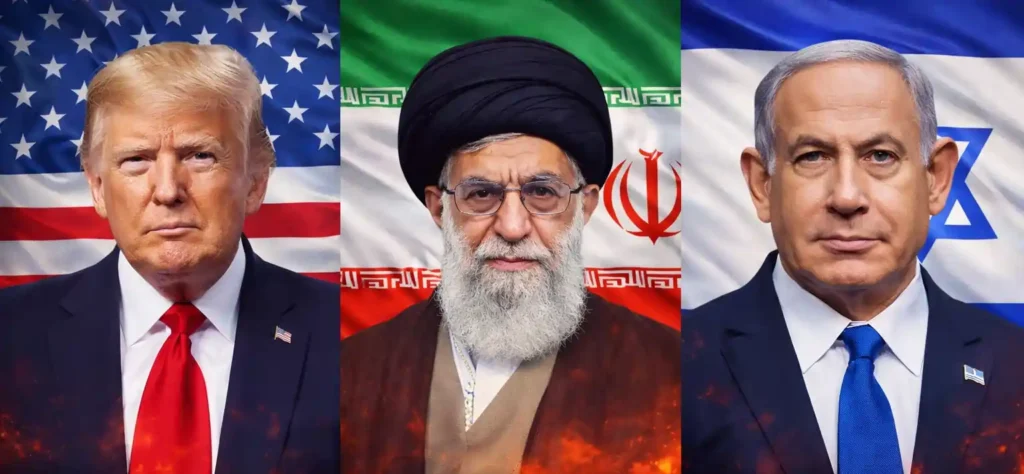
What Happened in the US Israel Strike on Iran
The operation reportedly involved precision strikes on strategic and military-linked targets, including areas near Tehran. Officials described the move as a pre-emptive or defensive measure aimed at reducing perceived threats tied to missile capabilities and regional security concerns.
Immediate developments included:
- Heightened military alerts across the region
- Airspace monitoring and flight disruptions
- Diplomatic calls for restraint
- Rising global market uncertainty
The scale and coordination indicate a significant shift from previous limited engagements.
Timeline of the Escalation
Long-Term Rivalry
The roots of the US Israel strike on Iran lie in decades of strategic rivalry shaped by security concerns, regional influence, and nuclear tensions.
Rising Tensions in Recent Years
Sanctions, covert operations, and proxy conflicts intensified mistrust and increased the probability of direct confrontation.
Diplomatic Breakdown
Negotiations aimed at reducing tensions repeatedly stalled, leaving military signaling as the primary tool of pressure.
The Latest Strike
The 2026 operation represents one of the most visible direct escalations in years, reshaping regional security calculations.
Motives Behind the US Israel Strike on Iran
Deterrence and Security
A core objective appears to be restoring deterrence by demonstrating operational capability and readiness.
Missile and Defense Concerns
Long-standing worries about military infrastructure and missile development likely influenced timing.
Strategic Messaging
The strike sends a signal to both allies and adversaries regarding security commitments.
Political Factors
Domestic security narratives often play a role in shaping the decision-making environment.
Iran’s Possible Response
Following the US Israel strike on Iran, potential retaliation scenarios include:
- Missile or drone attacks
- Cyber operations
- Maritime disruptions in key shipping routes
- Escalation through regional proxies
The scale of response will be crucial in determining whether the crisis remains contained.
Regional and Global Impact
Security Environment
Military readiness across neighboring states reflects fears of spillover risks.
Energy Markets
Because the region is central to global oil supply, escalation fears can trigger price volatility.
Financial Markets
Investors often shift toward safe-haven assets during geopolitical crises.
Why the US Israel Strike on Iran Matters
This crisis is significant because it intersects with multiple global risk factors:
- Energy security
- Nuclear non-proliferation
- Global market stability
- Regional power balance
Its outcome could shape geopolitical dynamics for years.
The US Israel strike on Iran represents a pivotal moment in Middle East geopolitics. Whether the situation stabilizes or escalates further will depend on retaliation dynamics, diplomatic intervention, and strategic calculations from all sides.
One thought on “US-Israel Strike on Iran Explained: Timeline, Motives, and What Comes Next”