By Wealth Journal Insights Editorial Desk
Global Economy | U.S.-China Relations | 2026
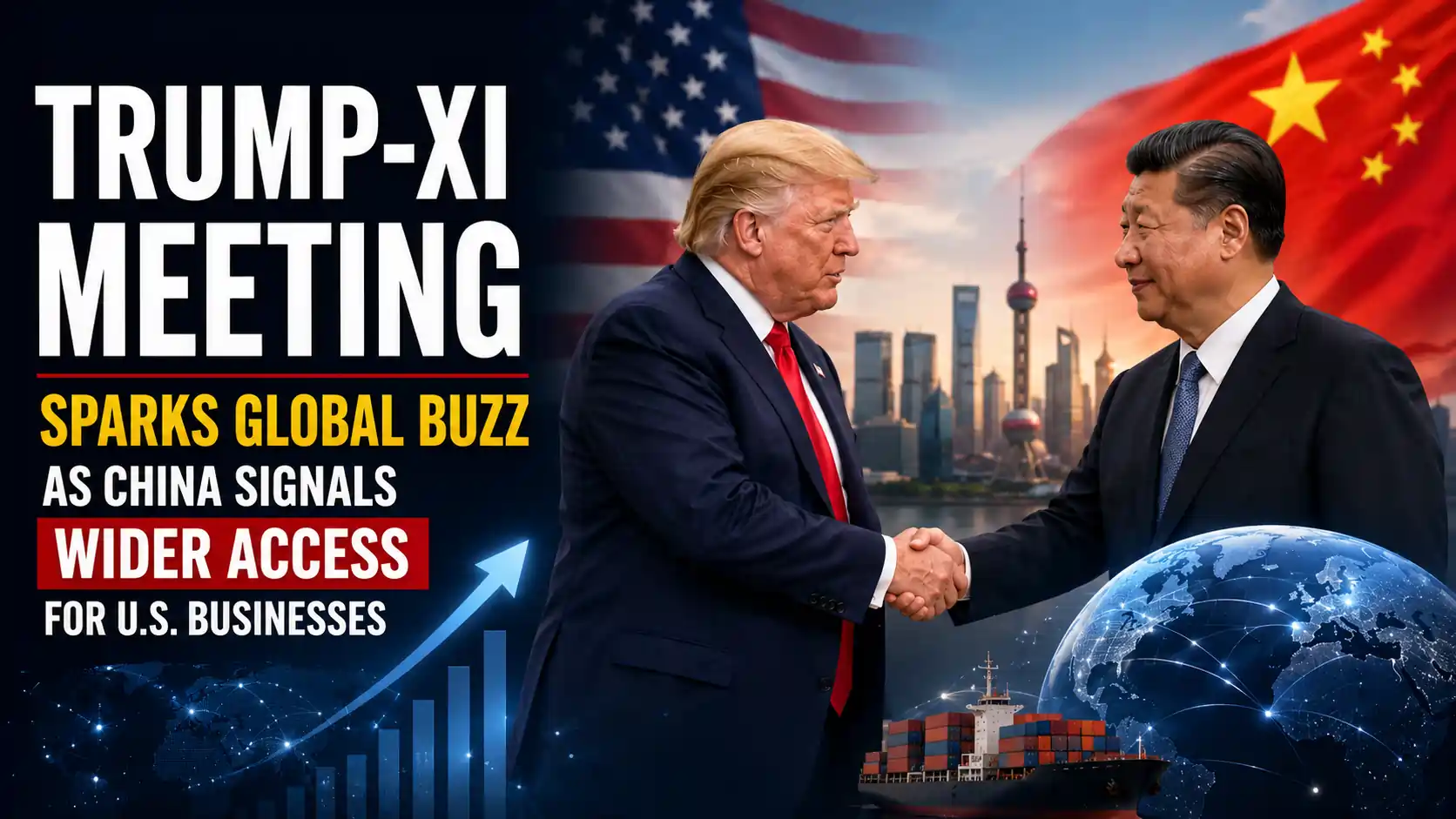
Trump-Xi Meeting Sparks Global Buzz as China Signals Wider Access for U.S. Businesses
Chinese President Xi Jinping signaled a possible easing of business restrictions for American companies during a high-profile meeting with U.S. President Donald Trump and a delegation of major American corporate leaders in Beijing.
The summit, closely watched by global investors and financial markets, focused heavily on trade, technology cooperation, market access, energy security, and stabilizing economic relations between the world’s two largest economies.
Xi stated that China’s doors would “open wider” for U.S. businesses, reinforcing Beijing’s efforts to improve investor confidence amid slowing economic growth and rising geopolitical tensions.
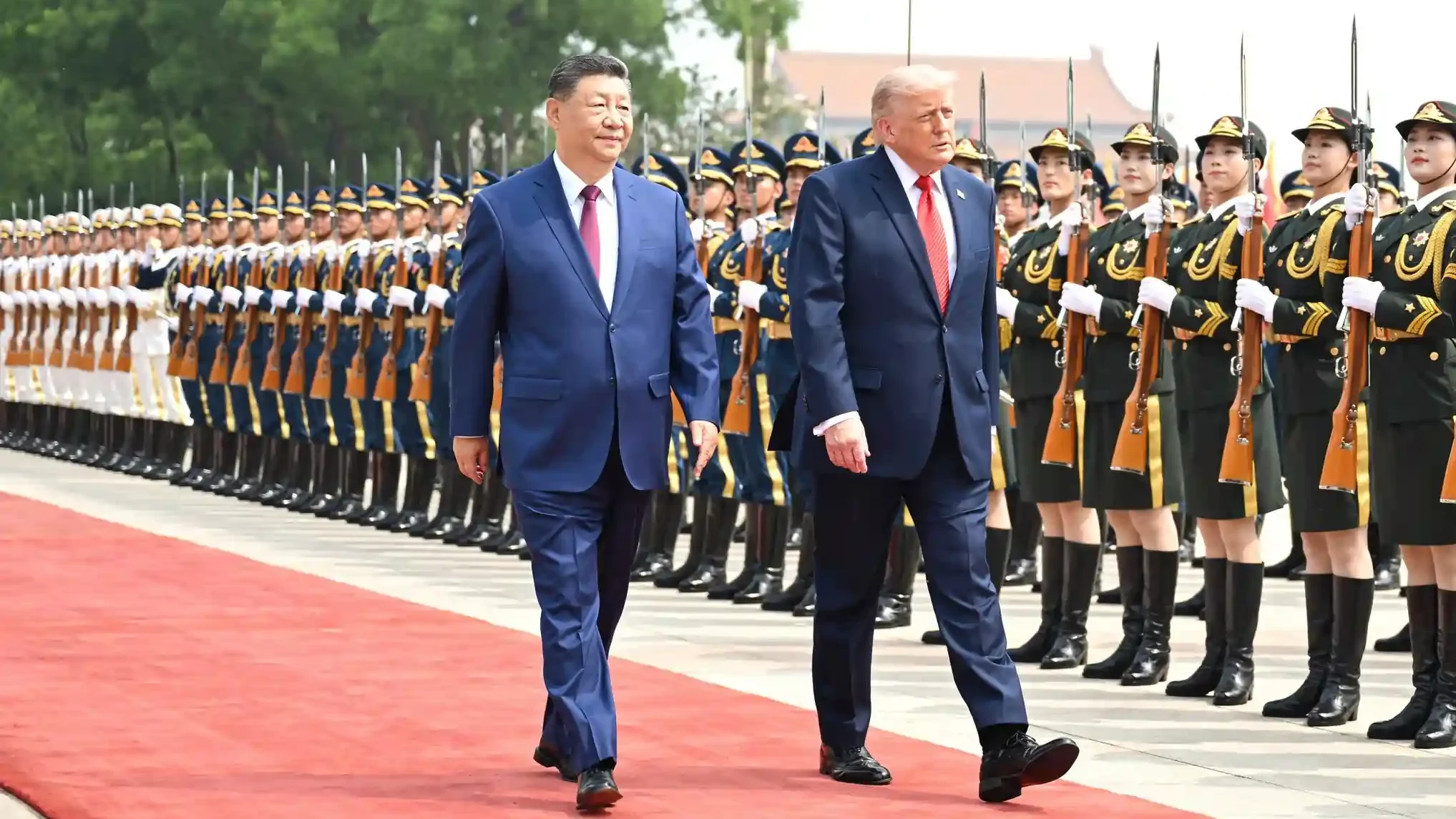
Trump-Xi Summit Becomes Major Global Economic Event
The Trump-Xi meeting has emerged as one of the most important geopolitical and economic developments of 2026.
The discussions come during a period of:
- Rising trade tensions
- Technology restrictions
- Global supply chain disruptions
- Energy market volatility
- Slowing global economic growth
Investors are closely monitoring whether both countries can stabilize relations and reduce pressure on international trade and financial markets.
According to reports, the summit focused heavily on improving economic cooperation while avoiding another escalation in the U.S.-China trade conflict.
Top U.S. CEOs Join Trump Delegation in Beijing
The American delegation included several of the world’s most influential business leaders from technology, finance, manufacturing, and energy sectors. The presence of top CEOs highlighted the growing importance of China’s market for global corporations despite ongoing geopolitical tensions.
Why China Wants Stronger Business Ties With the U.S.
China is facing increasing economic pressure from:
- Weak domestic demand
- Slowing exports
- Property market challenges
- Foreign investment concerns
- Supply chain shifts
By signaling broader market access for American companies, Beijing appears to be attempting to stabilize investor sentiment and encourage foreign business participation.
China’s Key Economic Goals
- Restore foreign investor confidence
- Support economic growth
- Improve trade stability
- Strengthen international business partnerships
- Reduce financial market uncertainty
Analysts believe China’s messaging is aimed at balancing geopolitical competition with economic pragmatism.
Trade, AI and Rare Earths Dominate Discussions
Beyond traditional trade issues, the summit also focused heavily on artificial intelligence, semiconductor restrictions, and critical supply chains.
Major Topics Discussed
- AI technology cooperation
- Semiconductor export controls
- Rare earth mineral supply chains
- Energy security
- Taiwan-related tensions
- Tariff reduction possibilities
Technology has become one of the most sensitive areas in U.S.-China relations, particularly around AI chips and advanced computing infrastructure.
Market participants are now watching whether the talks lead to meaningful easing of restrictions or broader economic agreements.
Global Markets React to Trump-Xi Talks
Global financial markets reacted cautiously to the summit as investors weighed both opportunities and geopolitical risks.
Investor Concerns
- Potential tariff changes
- Supply chain stability
- Energy market disruptions
- Inflation pressure
- Technology export restrictions
At the same time, optimism surrounding possible economic cooperation helped improve sentiment in certain technology and industrial sectors.
Analysts believe any improvement in U.S.-China relations could reduce pressure on global trade and support financial markets worldwide.
Taiwan and Geopolitical Risks Remain Key Challenges
Despite the positive business messaging, geopolitical tensions remain a major concern. Reports indicate Taiwan remained one of the most sensitive topics during discussions between Trump and Xi.
Investors remain cautious because:
- Taiwan tensions affect semiconductor supply chains
- Military risks could disrupt global markets
- Trade restrictions may continue expanding
- Technology competition remains intense
The summit highlighted the complicated balance between economic cooperation and geopolitical rivalry.
What Investors Should Watch Next
Global investors are now closely monitoring:
- Possible tariff policy changes
- Technology export decisions
- AI sector developments
- China market access reforms
- Future U.S.-China negotiations
Analysts believe the Trump-Xi summit could shape global trade, technology investment, and financial markets for the remainder of 2026.
Xi Jinping’s signal that China may open wider to U.S. businesses marks an important development in global economic relations during a period of rising geopolitical uncertainty.
While major disagreements remain around trade, technology, and Taiwan, both nations appear increasingly focused on preventing further economic disruption and stabilizing global markets.
The outcome of these discussions could have long-term implications for international business, global supply chains, and investor sentiment worldwide.