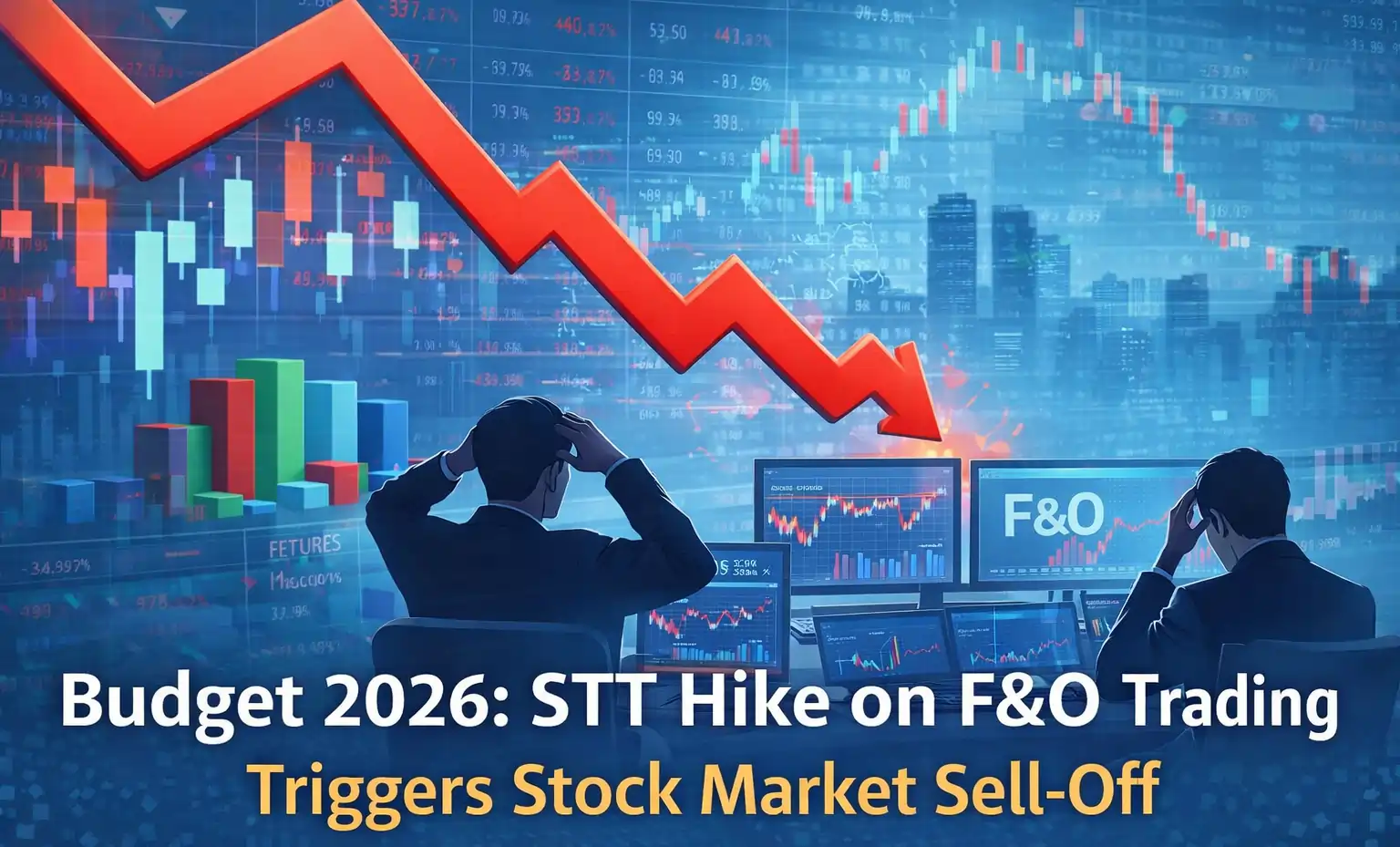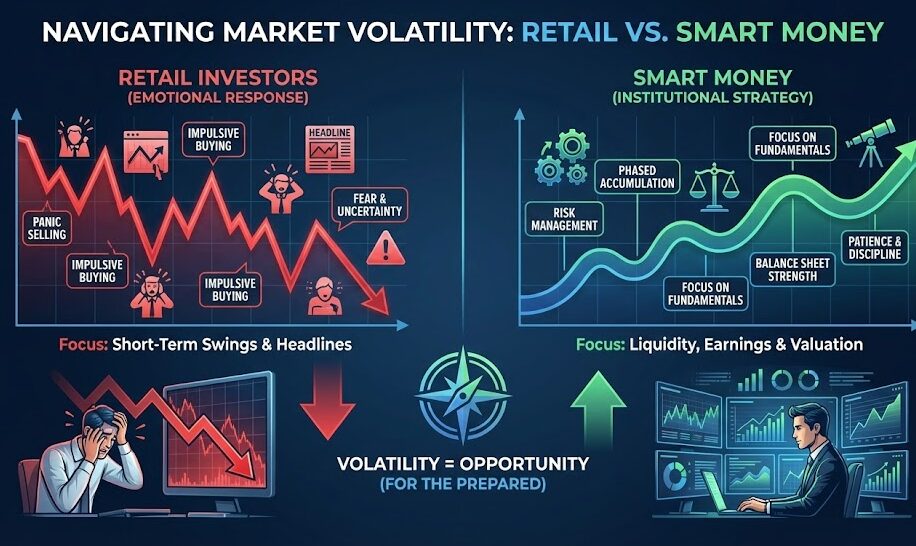
Periods of market volatility often trigger emotional responses among retail investors. Sharp swings, headline-driven moves, and uncertainty can lead to panic selling or impulsive buying.
In contrast, “smart money” — institutional investors, long-term funds, and seasoned market participants — typically respond very differently.
Understanding how smart money behaves during volatile phases offers valuable insight into market direction and risk management.
Volatility Is a Signal, Not a Threat
For institutional investors, volatility is not viewed as a crisis. It is treated as:
- A pricing opportunity
- A phase of portfolio rebalancing
- A period to reassess risk-reward dynamics
Smart money focuses less on short-term index movements and more on liquidity, earnings visibility, and valuation comfort.
How Smart Money Typically Reacts
1. Reduces Risk, Not Exposure
Rather than exiting markets entirely, institutions:
- Trim high-beta or overvalued positions
- Reduce leverage and speculative exposure
- Shift allocations within sectors
This controlled risk reduction prevents forced selling later.
2. Focuses on Cash Flows and Balance Sheets
During volatile periods, companies with:
- Strong balance sheets
- Predictable cash flows
- Lower debt levels
tend to attract institutional interest. Smart money prioritizes business resilience over momentum.
3. Accumulates Gradually, Not Aggressively
Contrary to popular belief, institutions do not “buy the dip” in one move.
They typically:
- Accumulate in phases
- Use market weakness to average positions
- Avoid chasing sharp rebounds
This disciplined approach helps manage downside risk.
Role of FII and DII Activity
Market volatility often coincides with divergent institutional behaviour:
- FIIs may reduce exposure due to global risk-off sentiment, currency pressures, or higher bond yields
- DIIs often step in selectively, providing stability but not aggressive upside
This push-and-pull explains why markets remain volatile but avoid sharp collapses.
What Smart Money Avoids During Volatile Markets
Institutions generally avoid:
- Overcrowded trades
- Stocks driven purely by narratives
- Illiquid small-cap names during uncertainty
Capital preservation takes priority over short-term returns.
Historical Pattern: Volatility Often Precedes Opportunity
Market history shows that:
- Volatile phases frequently precede consolidation
- Strong companies emerge stronger after corrections
- Long-term investors use volatility to reposition portfolios
Smart money positions for normalisation, not headlines.
What This Means for Investors
The behaviour of smart money suggests:
- Panic selling is rarely rewarded
- Quality and valuation matter most during uncertainty
- Patience and discipline outperform prediction
Volatility is less about timing the market and more about staying aligned with long-term fundamentals.
Market View
Current volatility reflects global uncertainty, institutional repositioning, and cautious sentiment rather than a breakdown in market structure.
Smart money’s measured response indicates risk management, not fear.